
How Proper Attic Ventilation Doubles Shingle Life in Florida Summer Heat
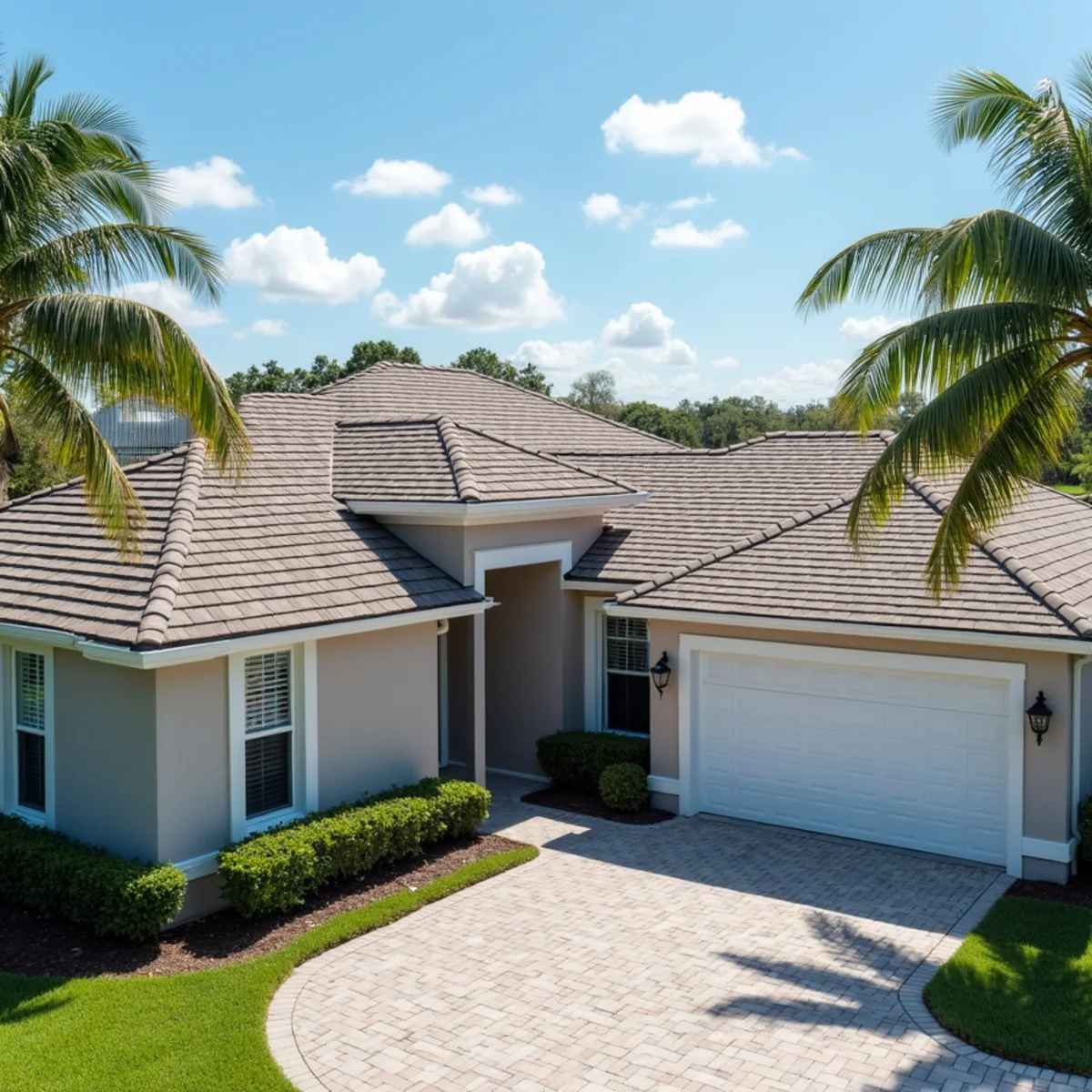
To protect your shingles from baking and extend roof lifespan in Florida summer heat, you need balanced attic ventilation matching the 1:300 Net Free Area rule. Trapped 160°F attic heat boils off shingle petroleum binders, causes curling, and voids manufacturer warranties unless continuous soffit intake vents balance baffled ridge exhaust vents.
1. The Superheated Attic Trap: How 160°F Temperatures Cook Your Roof
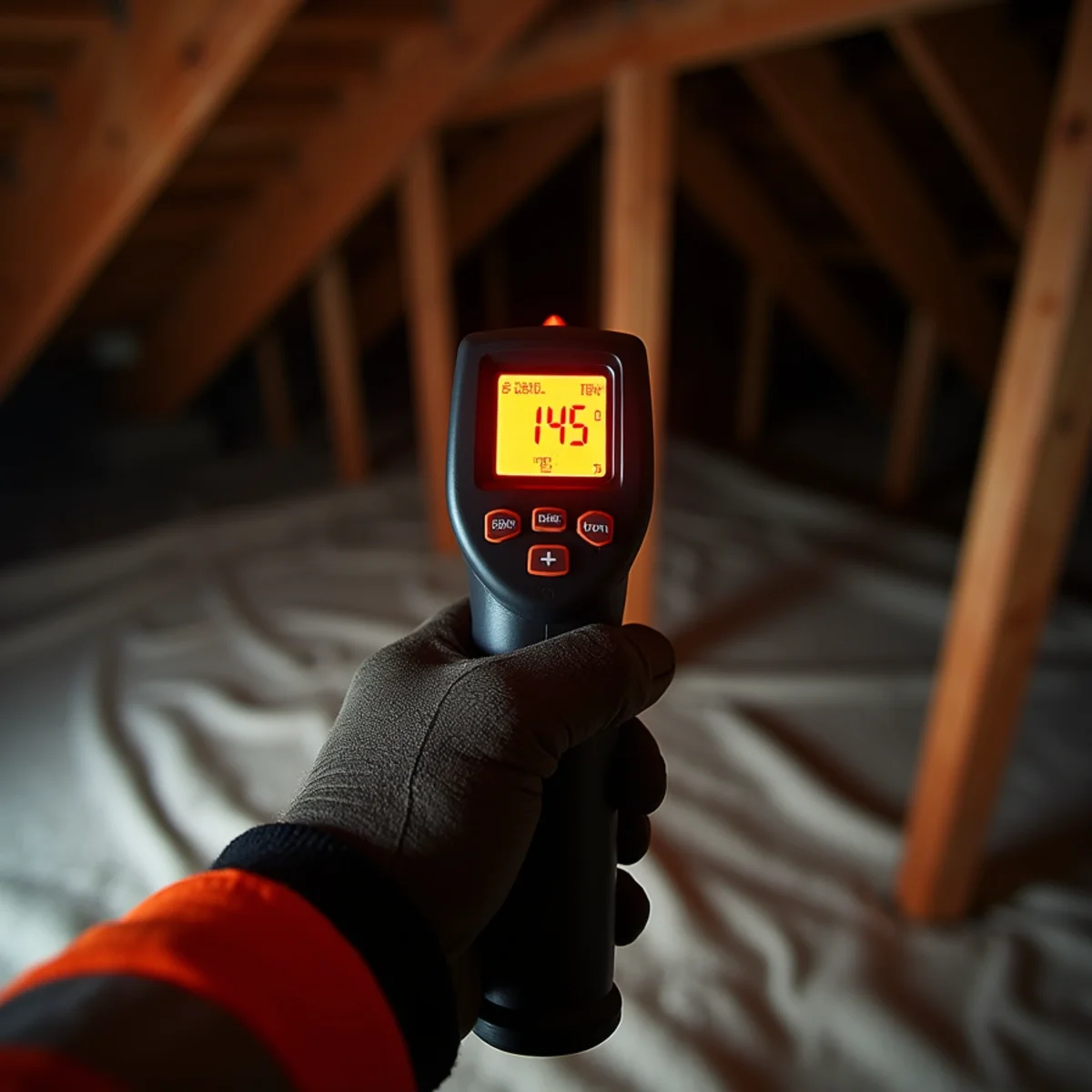
During the long Central Florida summer spanning from May through October, solar radiant energy hammers South Brevard rooftops with unrelenting intensity. When sunlight strikes dark asphalt shingles, surface temperatures regularly soar past 170°F.
In homes lacking an engineered airflow system—common throughout 1970s and 1980s Port Malabar developments—that heat conducts straight through the plywood decking and traps itself within the attic volume. Temperatures in an unventilated Palm Bay attic frequently exceed 155°F to 165°F.
This superheated attic operates as a giant convection oven. Instead of cooling at night, the massive thermal mass of the wood roof deck radiates heat continuously in both directions: downward into your living space, and upward straight back into the underside of your shingles.
The Thermal Transfer Mechanism: Solar Radiation to Attic Convection
Solar radiation penetrates asphalt shingles via conduction, heating the roof sheathing. Without an exit pathway for buoyant warm air, a stationary high-temperature thermal inversion forms under the roof ridge, creating constant baking pressure against the roof assembly.
Asphalt Binder Volatilization: Why Shingles Become Brittle and Curl
Asphalt shingles consist of a fiberglass mat saturated and coated with asphalt binders and surfaced with ceramic granules. Sustained 160°F heat literally boils away volatile essential oils within the asphalt compound. As these plasticizing oils evaporate, the shingle loses pliability, shrinks, blisters, curls at the edges, and drops its protective granule armor years ahead of schedule.
Moisture and Condensation Traps During Humid Summer Nights
Florida's high ambient humidity exacerbates thermal traps. When warm, humid outdoor air seeps into an unventilated attic and meets air-conditioned ceiling drywall or ductwork, condensation forms on rafters, promoting wood rot and fungal mold colonization.
2. The Building Science of Balanced Ventilation: The 1:300 Rule
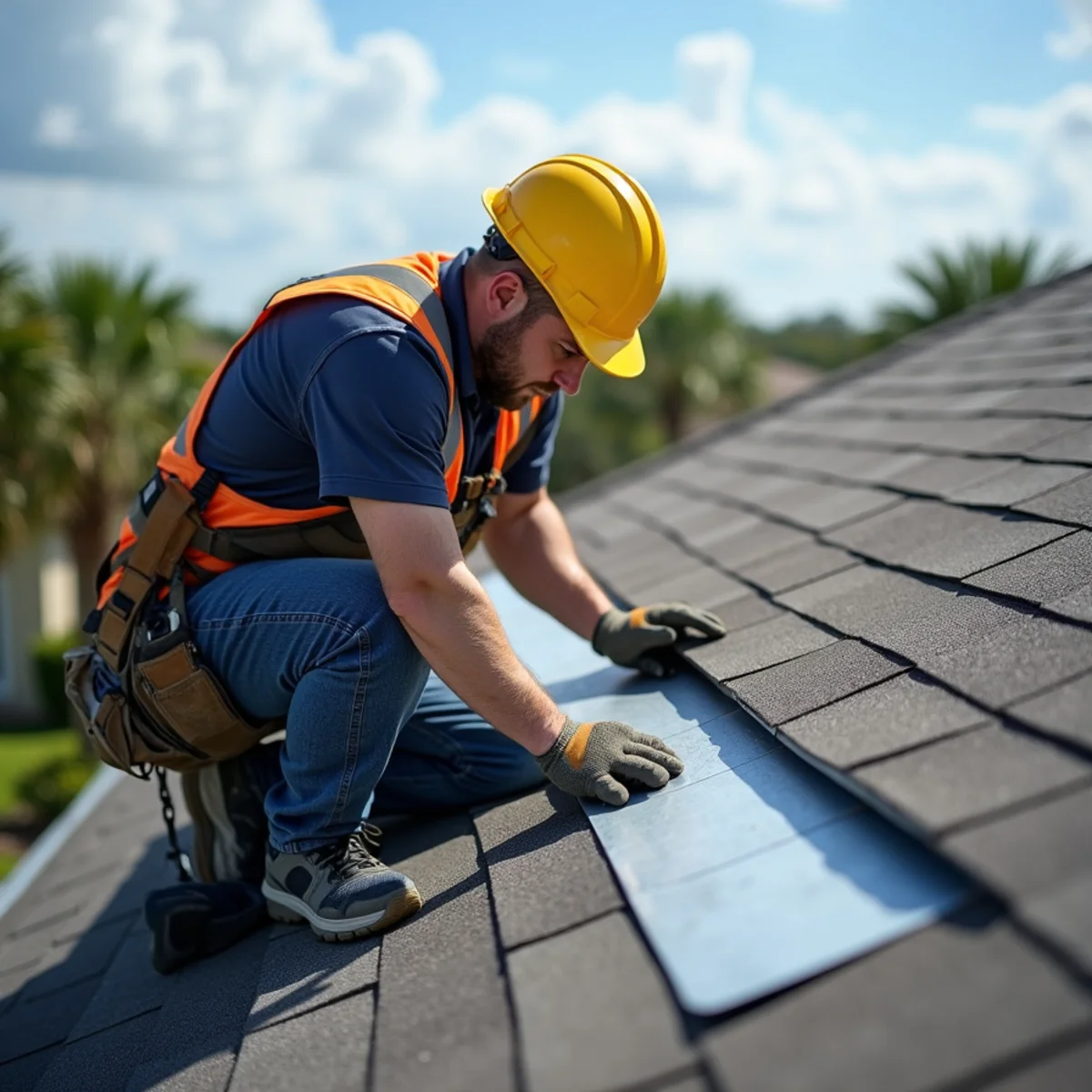
Effective attic ventilation does not rely on installing random vents; it requires a balanced aerodynamic system governed by building science principles.
Calculating Net Free Area (NFA) for Florida Homes
The International Residential Code (IRC) and Florida Building Code Section R806 specify the 1:300 ventilation rule. For every 300 square feet of attic floor space, your home requires 1 square foot of Net Free Venting Area (NFA). For an average 2,100 square foot Palm Bay home, this equates to 7 square feet (1,008 square inches) of unobstructed airflow.
The Continuous Convective Thermal Siphon Effect
Balanced ventilation harnesses natural physics. As hot air expands inside the attic, it becomes less dense and rises toward the roof peak. By exhausting through high-mounted ridge vents, this rising air creates negative pressure that actively draws cooler, fresh air in through the low-mounted soffit vents at the eaves.
Intake vs. Exhaust: Why 50/50 Balance Is Non-Negotiable
The NFA must be distributed equally: 50% intake at the eaves and 50% exhaust at the ridge. If a roof has excessive exhaust without sufficient intake, the system will depressurize the attic, pulling chilled air-conditioned air out of your living space through ceiling light fixtures and attic hatches.
3. Ventilation Equipment Comparison: Ridge, Off-Ridge, and Solar Fans
Choosing the appropriate ventilation hardware determines whether your roof breathes smoothly or suffers from moisture intrusion during tropical storms.
Continuous Baffled Shingle-Over Ridge Vents (TAS 100(A) Rated)
The gold standard for residential gable roofs is the continuous external-baffled shingle-over ridge vent. The external aerodynamic baffle creates low pressure when wind blows across the roof peak, actively pulling air from the attic while deflecting hurricane wind-driven rain. All ridge vents installed in South Brevard must carry Florida Product Approval testing under TAS 100(A) wind-driven rain protocols up to 110 mph.
Static Off-Ridge and Box Vents: Benefits and Hurricane Vulnerabilities
Metal off-ridge vents and static 'turtle' vents provide localized exhaust. While useful on hip roofs with short ridge lines, each off-ridge vent requires cutting a penetrative hole through the roof deck, creating potential leak points during severe tropical storms and hail events.
Solar-Powered Attic Fans: The Critical Risk of Attic Depressurization
Solar attic fans seem attractive for Florida energy efficiency. However, because they create powerful motorized mechanical suction (up to 1,500 CFM), they can easily overwhelm inadequate soffit intake vents. When this occurs, the fan pulls chilled indoor air from the home or sucks rain through neighboring static vents.
Perforated Aluminum and Vinyl Soffit Intake Systems
Soffit intake vents along the eaves provide the lifeblood of attic airflow. Continuous perforated aluminum or vinyl soffit panels resist salt-air corrosion and provide uninterrupted airflow channels along the entire roof perimeter.
4. The Pitfalls of 'Mixed' Ventilation: Dangerous Short-Circuits
One of the most frequent installation errors committed by amateur roofers is combining incompatible ventilation systems on the same attic envelope.
How Gable Vents Short-Circuit Ridge Vent Airflow
If a home has triangular gable end vents and a roofer installs a continuous ridge vent without sealing the gables, air simply enters through the gable vents and exits out the ridge peak 4 feet away. Airflow short-circuits at the top, leaving the lower two-thirds of the attic and roof slopes completely stagnant and superheated.
Negative Attic Pressure: Sucking Conditioned AC Air from Living Spaces
When motorized fans or oversized exhaust vents pull more air than soffits can provide, the attic acts like a vacuum. It draws conditioned air from your living room through recessed ceiling can lights, electrical junctions, and drywall seams, increasing your electric bill and pulling dust into living areas.
Attic Insulation Blockages: Clearing Baffles and Raft-Mates at the Eaves
When blown-in fiberglass or cellulose insulation is installed, contractors frequently bury the soffit openings. Installing rigid cardboard or plastic attic baffles (raft-mates) between every truss bay ensures an unobstructed 2-inch air gap between the insulation and the roof deck.
5. Energy Bill Impact and Shingle Warranty Protection
Upgrading attic ventilation delivers dual financial rewards: direct monthly utility savings and preservation of manufacturer shingle warranties.
How Proper Airflow Lowers Florida Power & Light (FPL) AC Run-Times
By dropping attic ceiling envelope temperatures from 160°F down to 115°F, heat transfer into ceiling drywall drops by up to 25%. This takes enormous thermal load off your HVAC condenser, allowing the compressor to cycle off sooner and saving $25 to $60 per month on Florida Power & Light electric bills during summer months.
Manufacturer Warranty Clauses: GAF, CertainTeed, and Owens Corning Rules
Every major shingle manufacturer explicitly requires code-compliant ventilation in their warranty fine print. If shingles fail prematurely from blistering or cracking, manufacturer warranty claim adjusters measure attic ventilation. If the home violates the 1:300 NFA ratio, the claim is summarily denied.
Radiant Barriers vs. Spray Foam Unvented Attic Assemblies in South Brevard
While traditional vented attics rely on balanced airflow, some modern homes utilize unvented closed-attic systems with open-cell or closed-cell spray foam applied directly to the roof deck. When spray foam is used, all external vents must be hermetically sealed, transforming the attic into conditioned semi-living space.
6. Florida Building Code (FBC Section R806) and Wind-Driven Rain Standards
All roofing ventilation upgrades across Palm Bay and Melbourne must satisfy rigorous Florida Building Code testing protocols.
Hurricane-Resistant Baffled Vent Mandates (Testing to TAS 100(A))
In the High-Velocity Hurricane Zone (HVHZ) and coastal wind zones like Brevard County, vents must pass Florida Testing Application Standard TAS 100(A). This test blasts the vent with 110 mph wind-driven rain at 8.8 inches of rain per hour. Only baffled vents with internal water dampers pass without interior water penetration.
City of Palm Bay Inspection Checklist for Re-Roof Ventilation
During a residential re-roof permit inspection, City of Palm Bay building inspectors verify that existing roof exhaust vents are replaced with Florida Product Approved hardware, that ridge vent cuts provide adequate slot width (typically 1.5 to 2 inches total), and that proper fastener schedules are maintained.
Related Services & Local Areas Mentioned
Have Questions About Your Palm Bay Roof?
Connect with an experienced Florida roofing specialist. Call (773) 207-0769 for 24/7 live dispatch.
Frequently Asked Questions on This Topic
Clear technical answers based on Florida Building Code and Brevard County field data.
In an unventilated or poorly vented home in South Brevard County, summer attic temperatures routinely reach 150°F to 165°F on sunny 92°F days. With balanced continuous ridge and soffit ventilation, attic temperatures remain within 10°F to 15°F of ambient outdoor temperatures.
Not Urgent? Send a Request
Fill out this form for scheduled re-roofing estimates, non-active maintenance checks, or insurance consultations.