
Florida's 15-Year Roof Rule: What to Do When Your Insurer Flags Your Roof
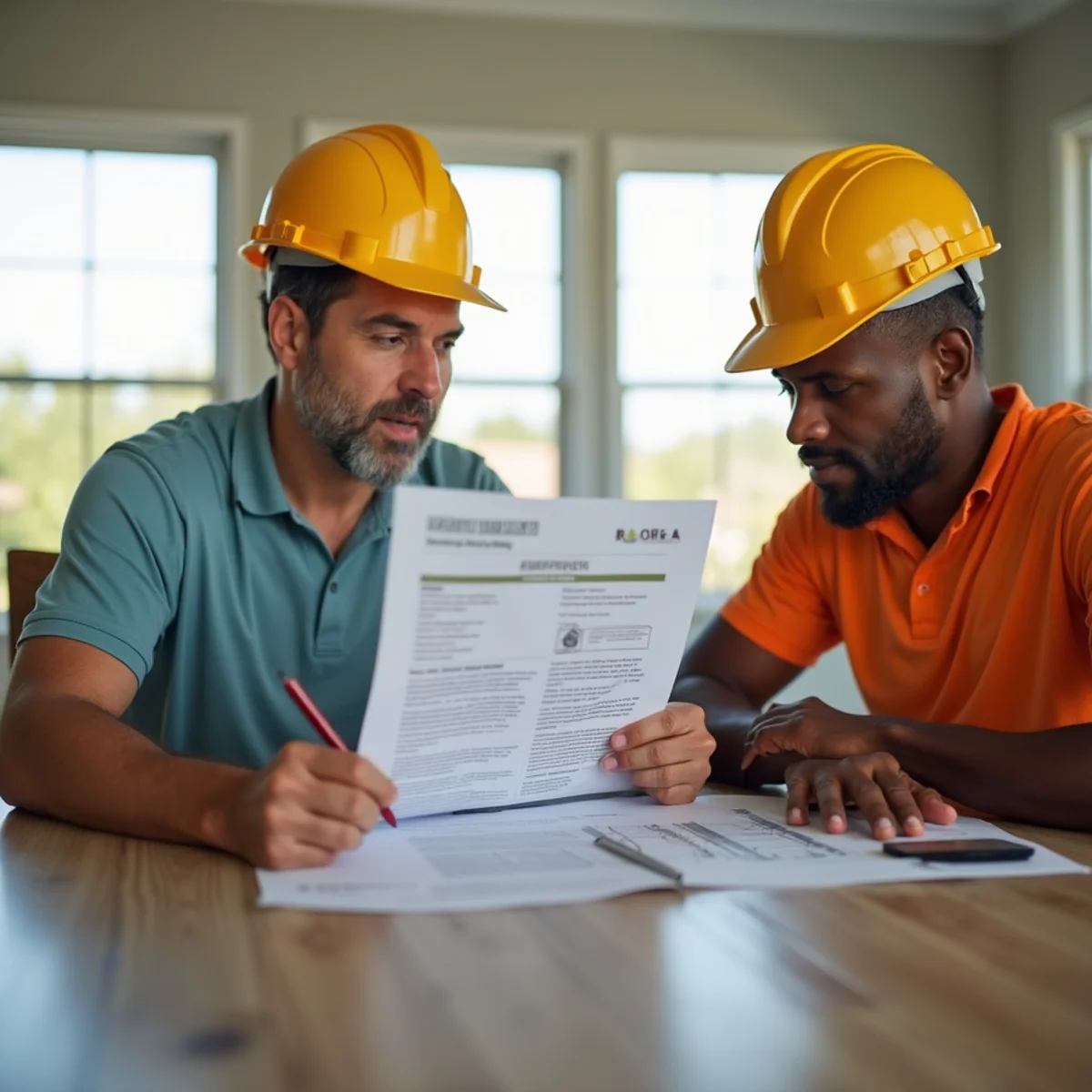
Under Florida's 15-year roof rule (Florida Statute s. 627.7011), property insurance companies cannot refuse to issue or renew a homeowners policy solely based on roof age if an asphalt roof is under 15 years old. For roofs 15 years or older, insurers must permit an authorized roof inspection certifying at least 5 years of remaining useful life.
1. The Origin of Florida Statute s. 627.7011: Protecting Homeowners from Arbitrary Drop Notices
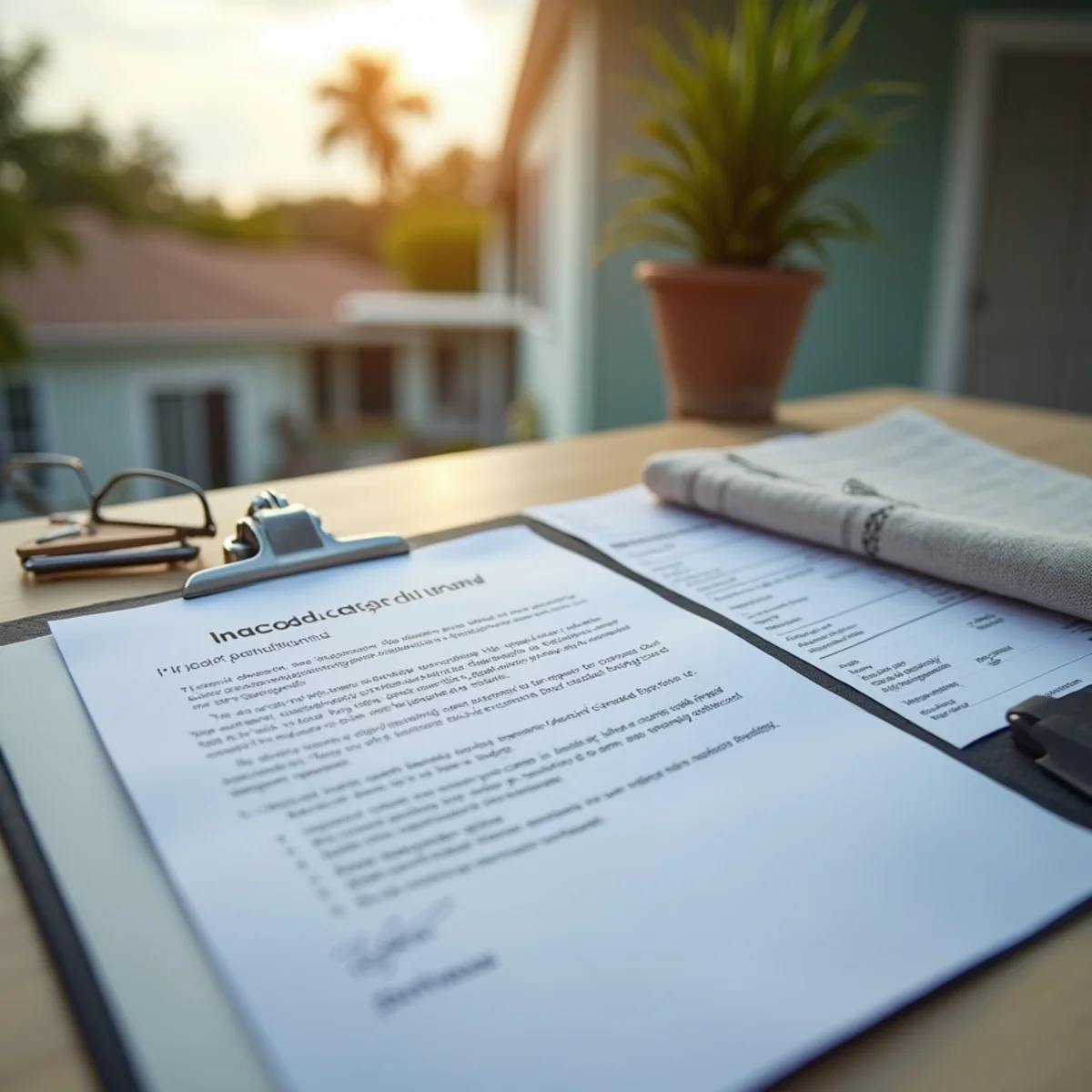
For years, Florida homeowners were at the complete mercy of insurance carriers that arbitrarily cancelled policies the minute a shingle roof reached 10 or 12 years of age, regardless of its true physical condition or manufacturer warranty. In response to skyrocketing premiums, carrier insolvency waves, and widespread consumer outcry, the Florida Legislature enacted landmark protections under Florida Statute s. 627.7011.
The statute establishes critical consumer guardrails: an authorized property insurer writing residential coverage in Florida may not refuse to issue or renew a homeowners insurance policy solely because of the age of an asphalt shingle roof if the roof is less than 15 years old. For roofs that have reached or passed the 15-year mark, carriers cannot immediately issue a non-renewal without providing the policyholder the opportunity to obtain an official roof condition inspection.
Why Carriers Previously Cancelled Policies at Year 10
Before legislative reform, insurers used roof age as an underwriting pretext to de-risk portfolios and shed policies in high-wind coastal counties like Brevard and Indian River. Even high-end 30-year architectural shingles in pristine condition were flagged for mandatory tear-off simply because actuarial tables linked older roofs with higher hurricane claim payouts.
Legislative Reform Protections for Asphalt Shingle Roofs
F.S. s. 627.7011 shifted the legal burden from arbitrary chronological age to documented physical condition. If your shingle roof is 11, 12, 13, or 14 years old, an insurer cannot demand total replacement as a mandatory condition of renewal unless physical evidence demonstrates unmitigated damage or active leaks.
2. The 5-Year Remaining Useful Life Inspection Protocol
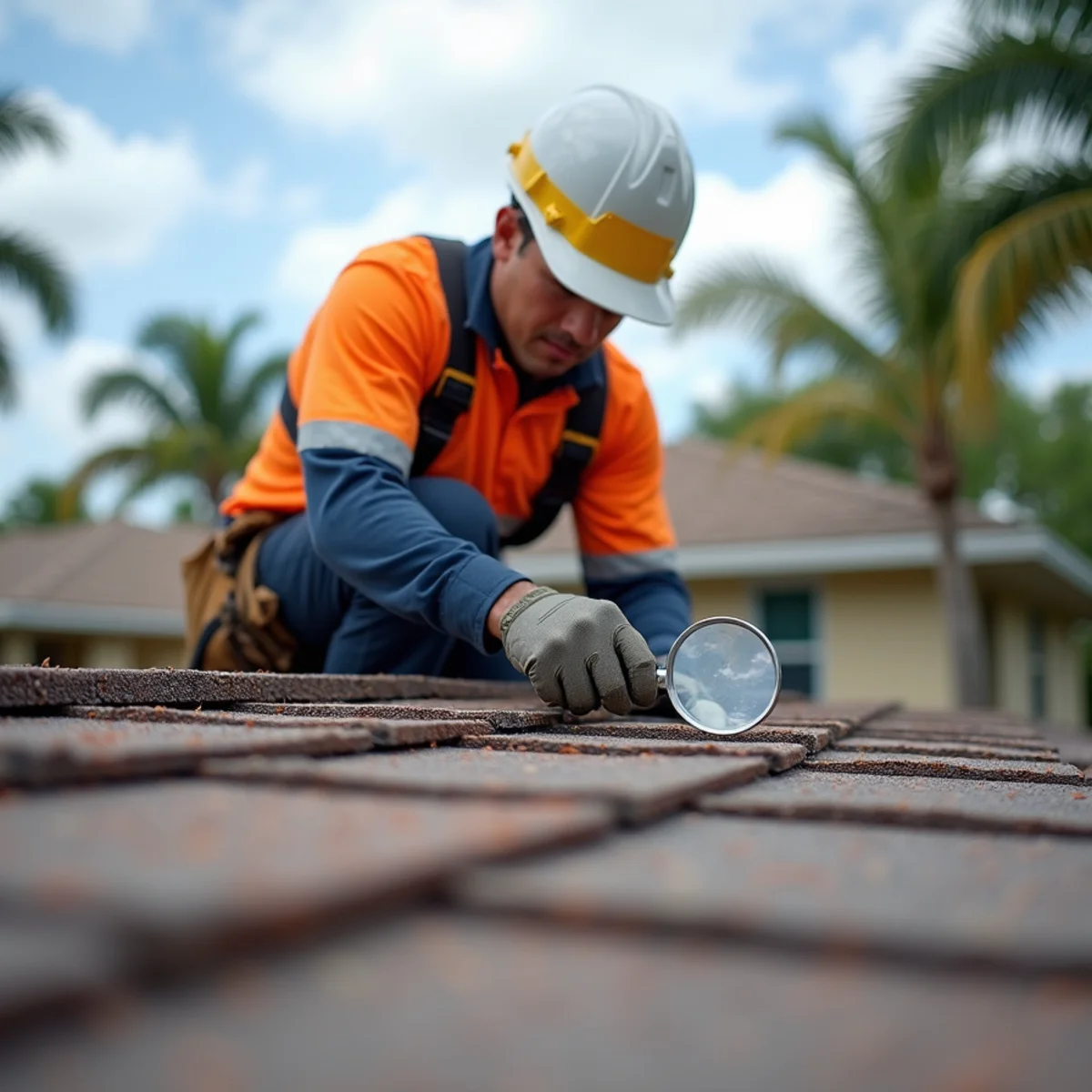
If your asphalt shingle roof has passed its 15th birthday, your insurer will likely send an underwriting inspection demand letter. However, the statute explicitly dictates that if an authorized inspection confirms the roof has at least 5 years of remaining useful life, the insurer must renew the policy.
Who possesses the legal authority to sign this certification? Under Florida law, the inspection must be conducted by an authorized qualified professional: a Florida-licensed roofing contractor holding a CCC or CRC license, a certified building contractor, a licensed home inspector, or a registered professional engineer.
Authorized Inspection Credentials (CCC, CRC, Professional Engineers)
Insurance underwriting desks in Florida scrutinize inspection credentials closely. Forms signed by unlicensed handymen are rejected outright. A certified roof inspection must include the inspector's DBPR license number, inspection date, high-resolution photographs of all four roof planes, and explicit verification of remaining serviceable life.
The Physical Criteria Used to Evaluate Remaining Service Life
During the evaluation, the inspector tests shingle pliability (performing gentle tab lift checks without breaking shingles), examines granule adhesion across valleys and water channels, checks plumbing vent pipe boots for UV cracking, and inspects the attic deck for past moisture staining. If shingles remain firmly sealed to their thermal mastic strips and granules remain dense, the inspector certifies 5 years of remaining life.
3. What to Do If Your Roof Fails the 5-Year Life Inspection
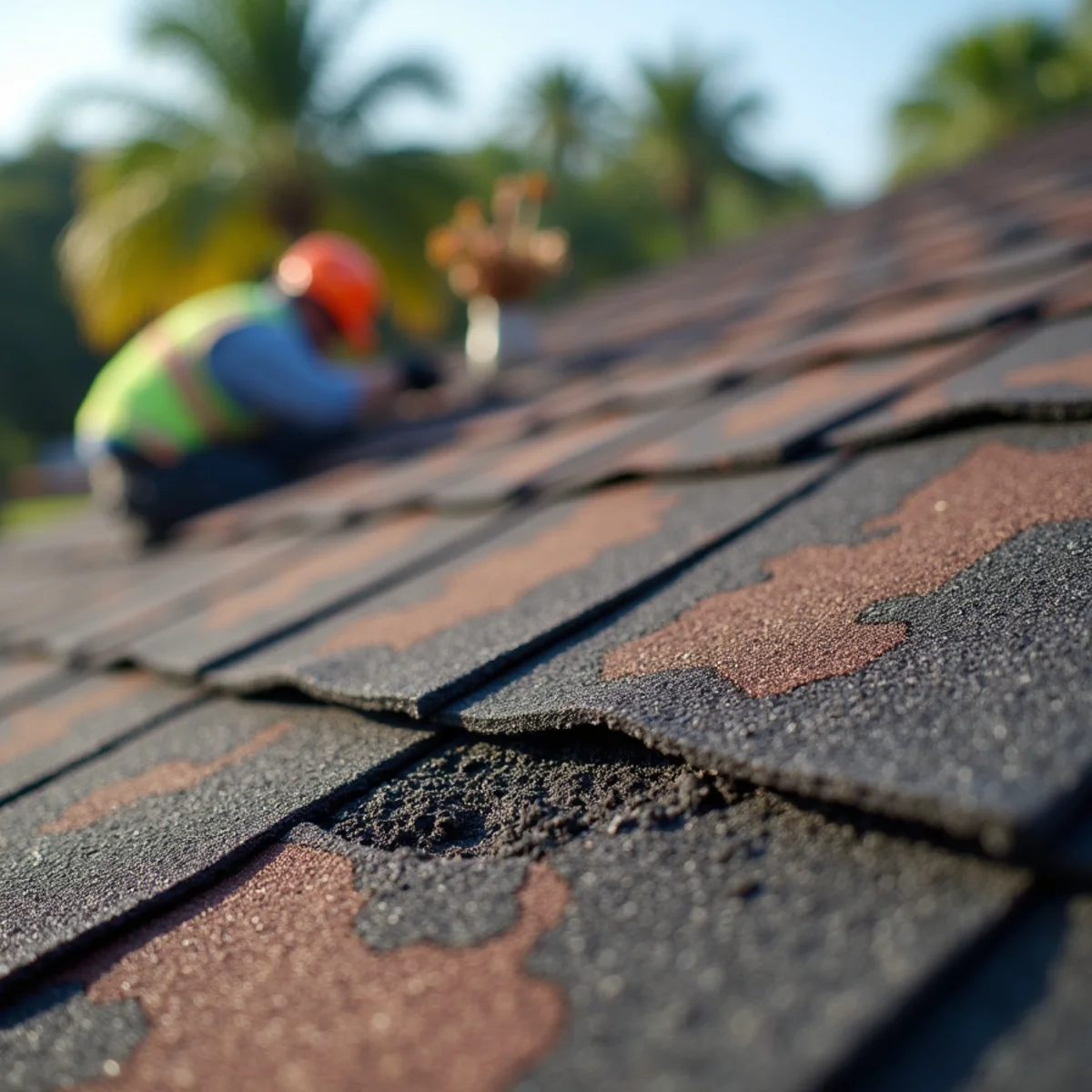
If an inspector discovers widespread fiber mat exposure, crumbling tabs, extensive hail fracturing, or chronic deck sagging, they cannot legally or ethically certify 5 years of remaining life. When a roof fails the inspection, the insurance company will establish a strict deadline—typically 30 to 60 days—for total roof replacement.
Ignoring this replacement mandate leads to immediate policy cancellation. When standard market carriers cancel coverage, homeowners with active mortgages face forced-placed (lender-placed) insurance policies.
Avoiding the Catastrophic Costs of Forced-Placed Lender Policies
Lender-placed hazard insurance is catastrophic for homeowner finances. These policies routinely cost 300% to 500% more than private policies (often $8,000 to $15,000 annually), provide zero contents coverage, zero personal liability protection, and automatically increase your monthly mortgage escrow payment by hundreds of dollars.
Permitting Timelines and Managing Policy Non-Renewal Notice Deadlines
If you receive a 60-day non-renewal notice, you must act decisively. In Palm Bay, permitting, material delivery, and tear-off typically take 2 to 3 weeks. Once your roofing contractor pulls the permit and records the Notice of Commencement (NOC) at the Brevard County Clerk of Courts, your insurance agent can often grant a 30-day binder extension while construction is underway.
4. Wind Mitigation Upgrades: Slashing Post-Replacement Premiums
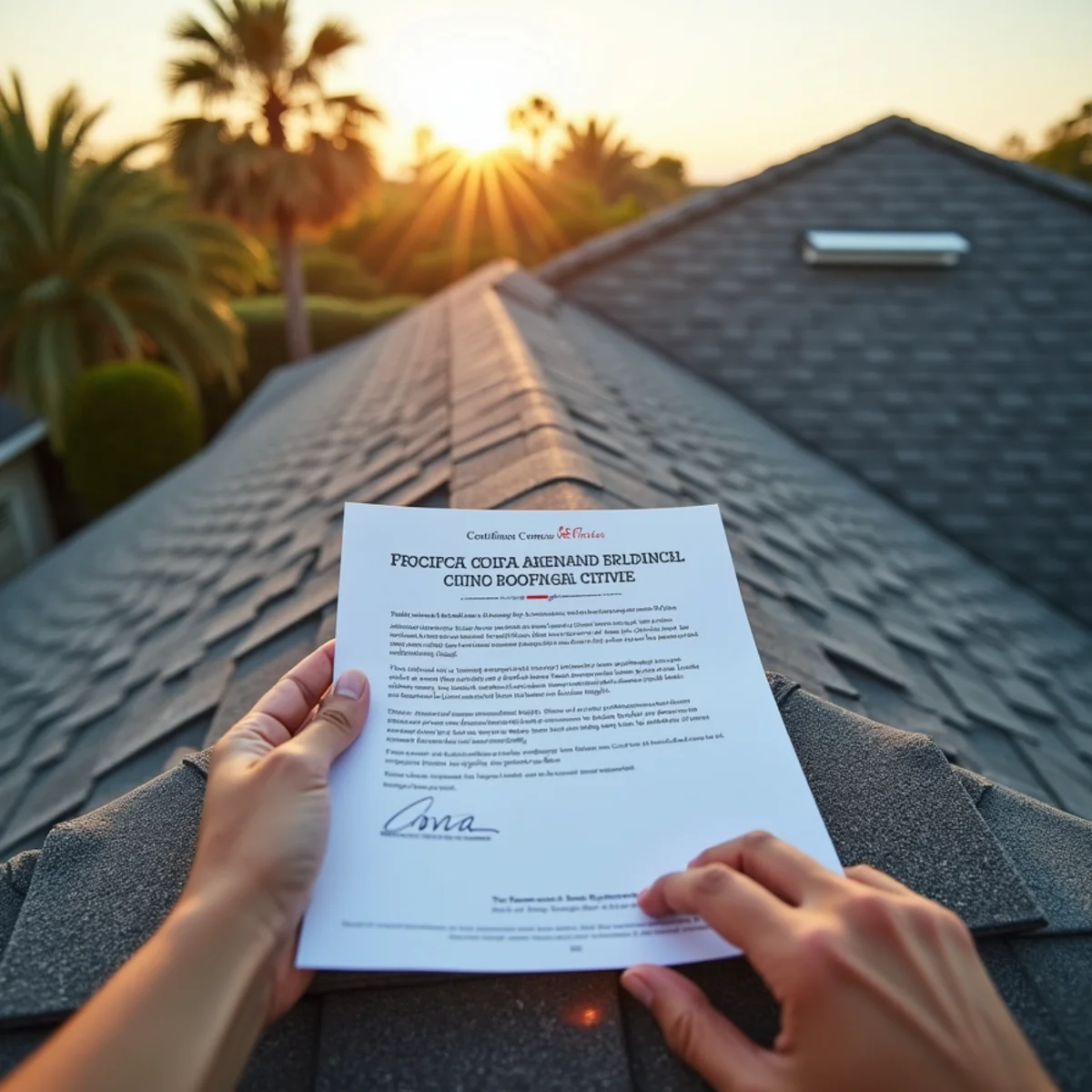
While replacing a roof is a significant capital expenditure, it fundamentally resets your homeowner insurance profile in Florida. When your roof is replaced to 2023 Florida Building Code standards, you qualify for top-tier Wind Mitigation credits on Form OIR-B1-1802, frequently reducing the windstorm portion of your premium by 25% to 45% annually.
Roof-to-Deck Attachment: Ring-Shank 8d Nails on 6-Inch Centers
Under Florida Building Code Section R908, when existing shingles are torn off down to bare wood, the contractor must re-nail the entire plywood roof deck using 8d ring-shank nails (2.5 inches long) spaced at maximum 6-inch increments along all rafters. This mechanical locking resists Category 4 and 5 hurricane uplift suction forces.
Secondary Water Resistance (SWR): Peel-and-Stick Deck Sealing
Installing a continuous self-adhering modified bitumen underlayment (peel-and-stick) directly to the wood decking qualifies for the coveted 'SWR' credit on your wind mitigation inspection. If extreme winds tear shingles away during a storm, the secondary water barrier prevents interior cascading water.
Roof-to-Wall Connections: Double Wraps, Single Clips, and Toe Nails
Inspectors verify how your roof trusses tie into the concrete tie-beam. Upgrading from old 1970s toe-nails to metal hurricane clips or double wraps dramatically cuts wind insurance rates across South Brevard County.
5. Alternative Roofing Materials Under the Rule: Metal, Concrete Tile, and Flat Membranes
The 15-year statutory inspection protection applies specifically to asphalt shingle roofs. Different roofing materials possess vastly different lifespans and regulatory underwriting timelines in Florida.
Metal Roofing Lifespans (30–50 Years) and Carrier Underwriting
Standing seam 26-gauge Galvalume and 0.032 aluminum metal roofs carry expected lifespans exceeding 40 to 50 years. Most Florida insurance carriers do not challenge metal roofs until they reach 25 to 30 years of age, making metal a premier hedge against future insurance non-renewal threats.
Concrete and Clay Tile Underlayment Replacement Timelines
While concrete tiles can physically last 50 years, the organic felt underlayment beneath them dry-rots after 20 to 25 years. Insurers in Brevard County regularly mandate tile lift-and-relay projects around year 20 to replace the underlying waterproof membrane.
6. Practical Action Plan: When Your Insurer Sends an Underwriting Notice
Do not panic if you receive a letter from Citizens Property Insurance Corporation, State Farm, Florida Peninsula, or Universal Property. Follow this disciplined protocol to preserve your policy:
Step 1: Scheduling an Independent DBPR-Licensed Inspection Immediately
Contact an independent Florida-licensed roofing contractor to conduct a comprehensive roof condition evaluation. Never wait until 10 days before your policy expiration date, as scheduling delays can result in an unavoidable lapse in coverage.
Step 2: Submitting Form OIR-B1-1802 with Color Photographic Proof
Once the inspector completes the state-approved roof condition certification and wind mitigation inspection form, submit both documents directly to your insurance agent. Under Florida law, insurers must accept valid certifications from licensed inspectors.
Related Services & Local Areas Mentioned
Have Questions About Your Palm Bay Roof?
Connect with an experienced Florida roofing specialist. Call (773) 207-0769 for 24/7 live dispatch.
Frequently Asked Questions on This Topic
Clear technical answers based on Florida Building Code and Brevard County field data.
Yes. Insurers evaluate statistical underwriting risk. Even without active leaks, an asphalt roof older than 15 to 20 years poses elevated risk of shingle failure during hurricane wind events, allowing carriers to mandate replacement unless certified with 5 years of useful life.
Not Urgent? Send a Request
Fill out this form for scheduled re-roofing estimates, non-active maintenance checks, or insurance consultations.