
Metal Roof vs Shingles in Brevard County: Wind, Heat, Insurance and Lifespan
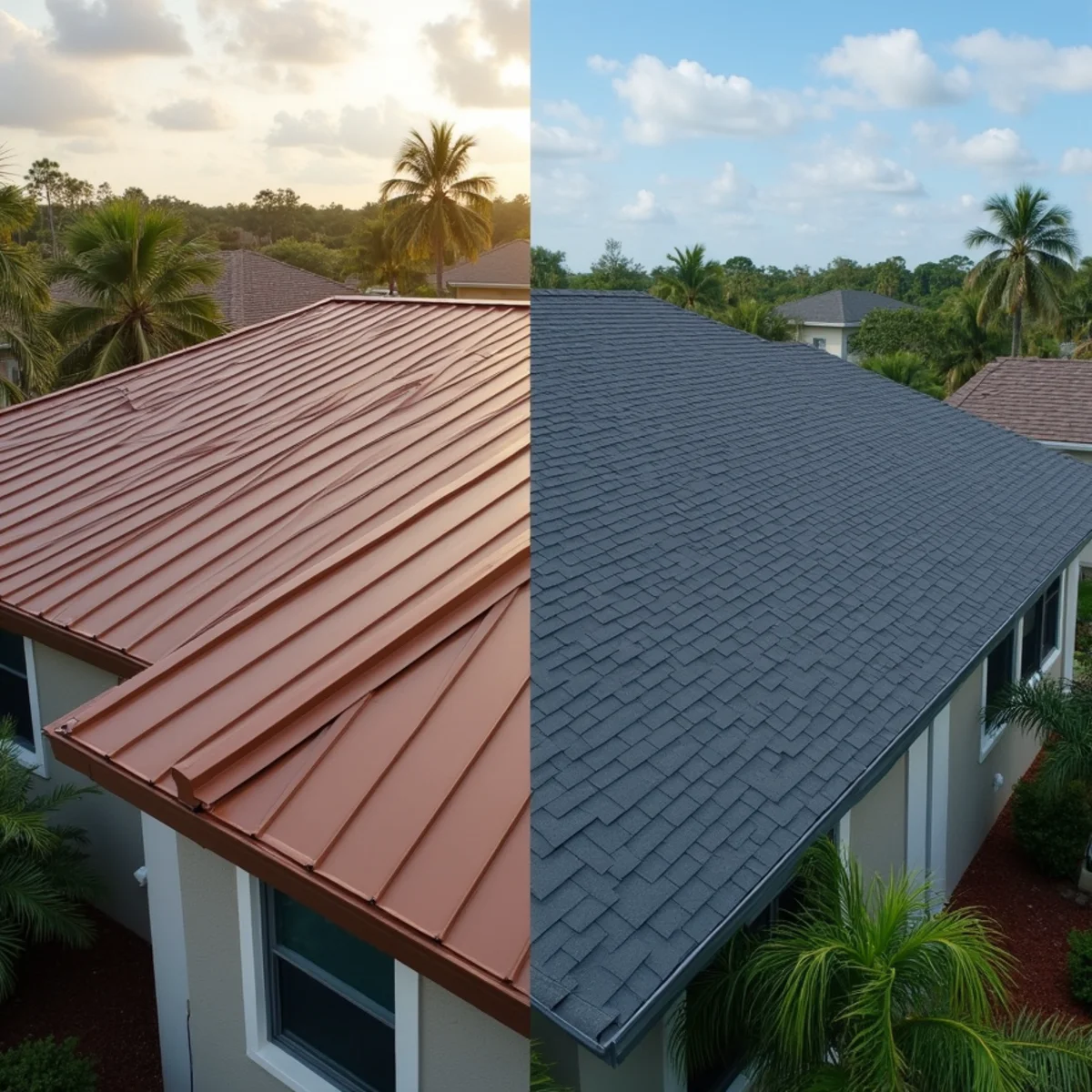
In Brevard County, standing seam metal roofs cost more upfront ($19,500–$30,000 vs $10,500–$16,800 for architectural shingles), but deliver a 50+ year lifespan, 160+ mph Category 5 wind ratings, 15–25% electric cooling bill savings, and immunity from Florida's 15-year insurance cancellation rule, making metal the superior long-term financial investment.
1. Upfront Capital Cost vs. 40-Year True Lifecycle Cost Analysis
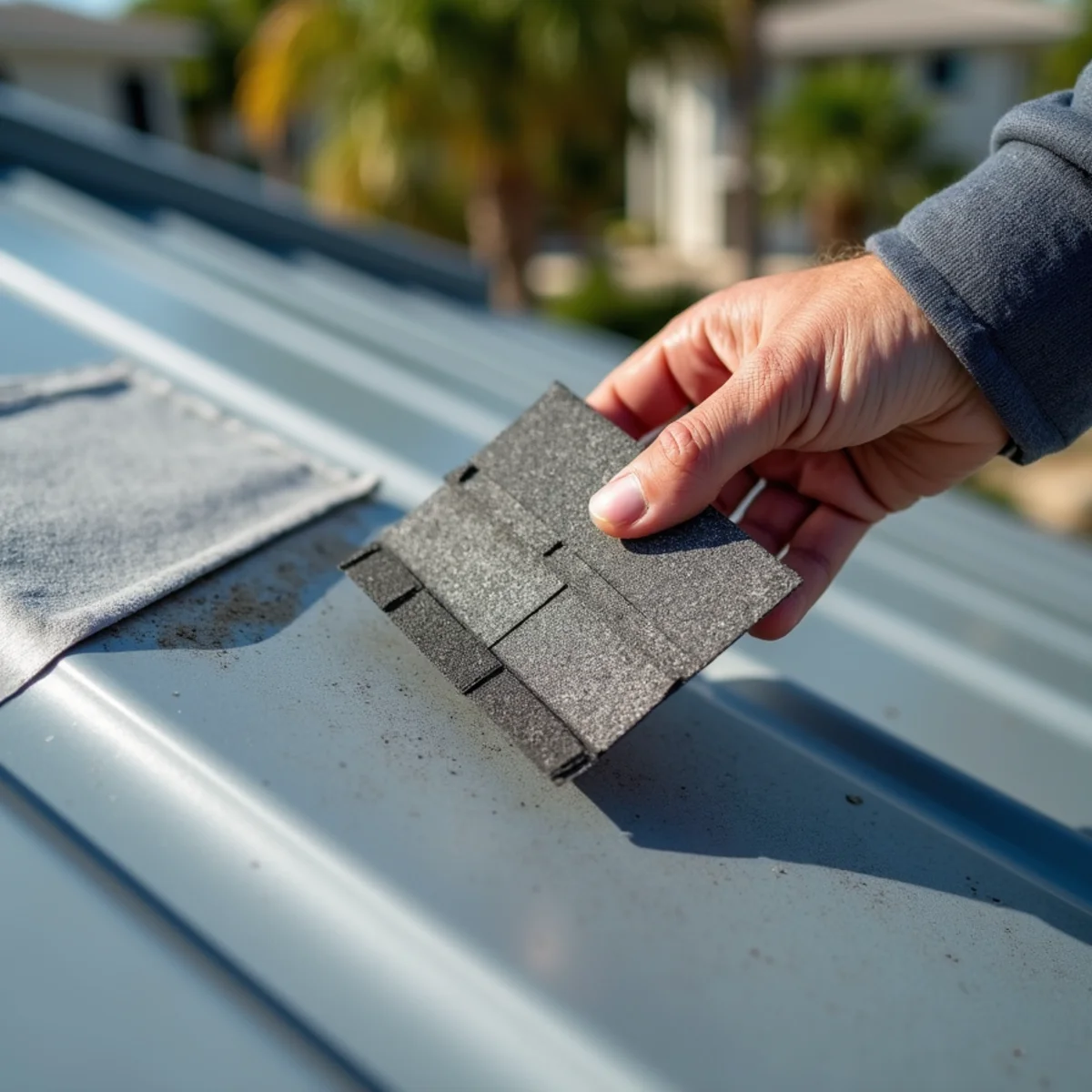
The initial contract price is almost always the deciding factor when Brevard County homeowners weigh metal against asphalt shingles. In Palm Bay, Melbourne, and West Melbourne, installing high-grade architectural shingles on a standard 2,000 square foot single-family home currently averages $10,500 to $16,800. A comparable concealed-fastener standing seam metal roof ranges from $19,500 to $31,000.
However, evaluating roofing solely through the lens of initial upfront invoice price ignores the harsh economics of Florida homeownership. In South Brevard's subtropical climate, asphalt shingles experience an average serviceable lifespan of only 16 to 20 years before UV volatilization, thermal shock, and insurance pressure force a mandatory tear-off.
Initial Out-of-Pocket Expense Breakdown in South Brevard
Architectural shingles remain the budget-conscious choice for homeowners planning to sell within 3 to 7 years. You obtain modern 130 mph wind resistance, fresh aesthetic appeal, and immediate insurance approval at approximately half the upfront expenditure of standing seam metal.
The Two-Shingle-Roof Reality vs. Single Lifetime Metal Roof
Over a 40-year occupancy horizon, a homeowner choosing shingles will purchase two complete roof systems, bearing two tear-off labor fees, two rounds of dumpster charges, and two rounds of inflation-adjusted material price spikes. Over 40 years, two shingle roofs will easily cost $28,000 to $36,000. Conversely, a standing seam metal roof installed today will still be in service 50 to 60 years from now, delivering massive lifetime savings.
2. Hurricane Wind Uplift and Flying Debris Resistance: 130 mph vs. 160+ mph
When tropical cyclones churn through the Atlantic basin toward the Space Coast, roof integrity is the difference between safe shelter and catastrophic interior destruction.
Premium architectural laminate shingles (such as Owens Corning Duration or GAF Timberline HDZ) carry ASTM D3161 Class F wind ratings, tested to withstand steady winds up to 130 mph when fastened with Florida-mandated 6-nail patterns. However, shingles remain dependent on thermal asphalt sealant strips. As shingles age and surface granules wash away, wind gusts can catch tab edges, snapping them off like playing cards.
Exposed Fastener 5V Crimp vs. Concealed Clip Standing Seam Engineering
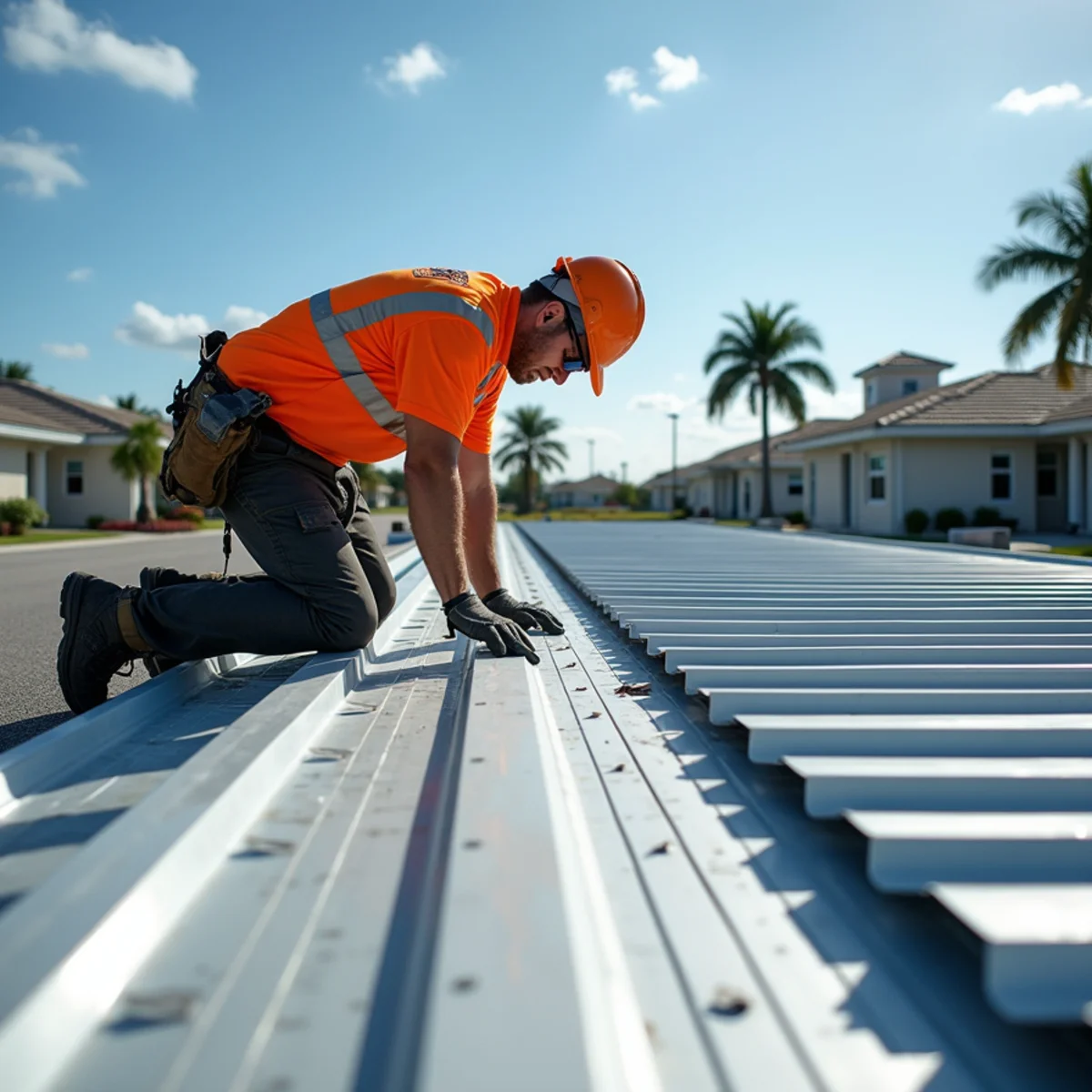
Not all metal roofs are created equal. Cheap 5V crimp agricultural panels utilize thousands of neoprene rubber-gasketed screws driven directly through the metal face into wood decking. In Florida's sun, these rubber washers dry-rot and loosen every 7 to 9 years, creating hundreds of leak points. In contrast, standing seam panels use concealed stainless steel clips locked under mechanical seams, leaving zero exposed screw penetrations on the roof surface.
ASTM D3161 Class F Shingle Limitations vs. Category 5 Metal Integrity
Concealed-clip standing seam metal roofs are engineered and wind-tunnel tested to withstand sustained winds exceeding 160 to 180 mph—well into Category 5 hurricane thresholds. Metal panels cannot curl, delaminate, or blow away one shingle at a time, providing the highest level of structural storm armor.
3. Florida Power & Light (FPL) Energy Efficiency & Solar Reflectance
Electric utility costs are a significant monthly burden for Florida homeowners. Dark asphalt shingles act as thermal sponges, absorbing up to 90% of radiant solar energy and transferring heat directly into your attic cavity.
Attic temperatures above an asphalt roof routinely spike to 140°F to 155°F during summer afternoons. This intense heat radiates downward through ceiling insulation into air conditioning ductwork, forcing HVAC compressors to run continuously.
Kynar 500 / PVDF Reflective Pigments vs. Heat-Absorbing Granules
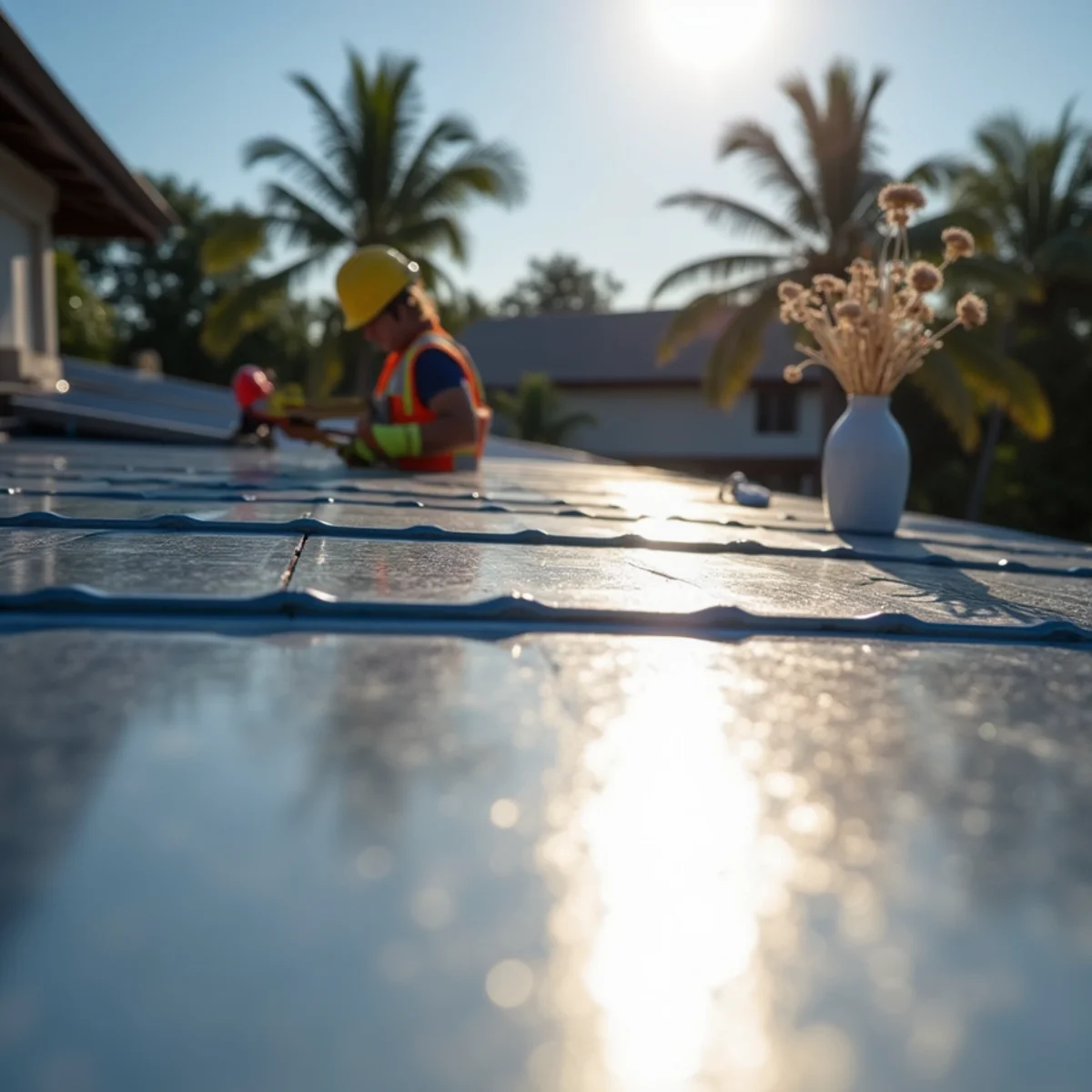
Standing seam metal panels factory-finished with PVDF (Kynar 500) architectural coatings feature specialized inorganic ceramic reflective pigments. These cool-roof coatings reflect up to 70% of solar infrared rays back into the atmosphere, maintaining attic temperatures within 10 to 15 degrees of outside ambient air.
Attic Thermal Load Reductions and 15%–25% A/C Consumption Drops
Field testing by the Florida Solar Energy Center (FSEC) in Cocoa, FL demonstrates that homes converted from dark asphalt shingles to reflective standing seam metal experience immediate cooling energy reductions of 15% to 25%, shaving $40 to $80 per month off summer FPL utility bills.
4. Florida Homeowners Insurance Underwriting and Policy Lifespans
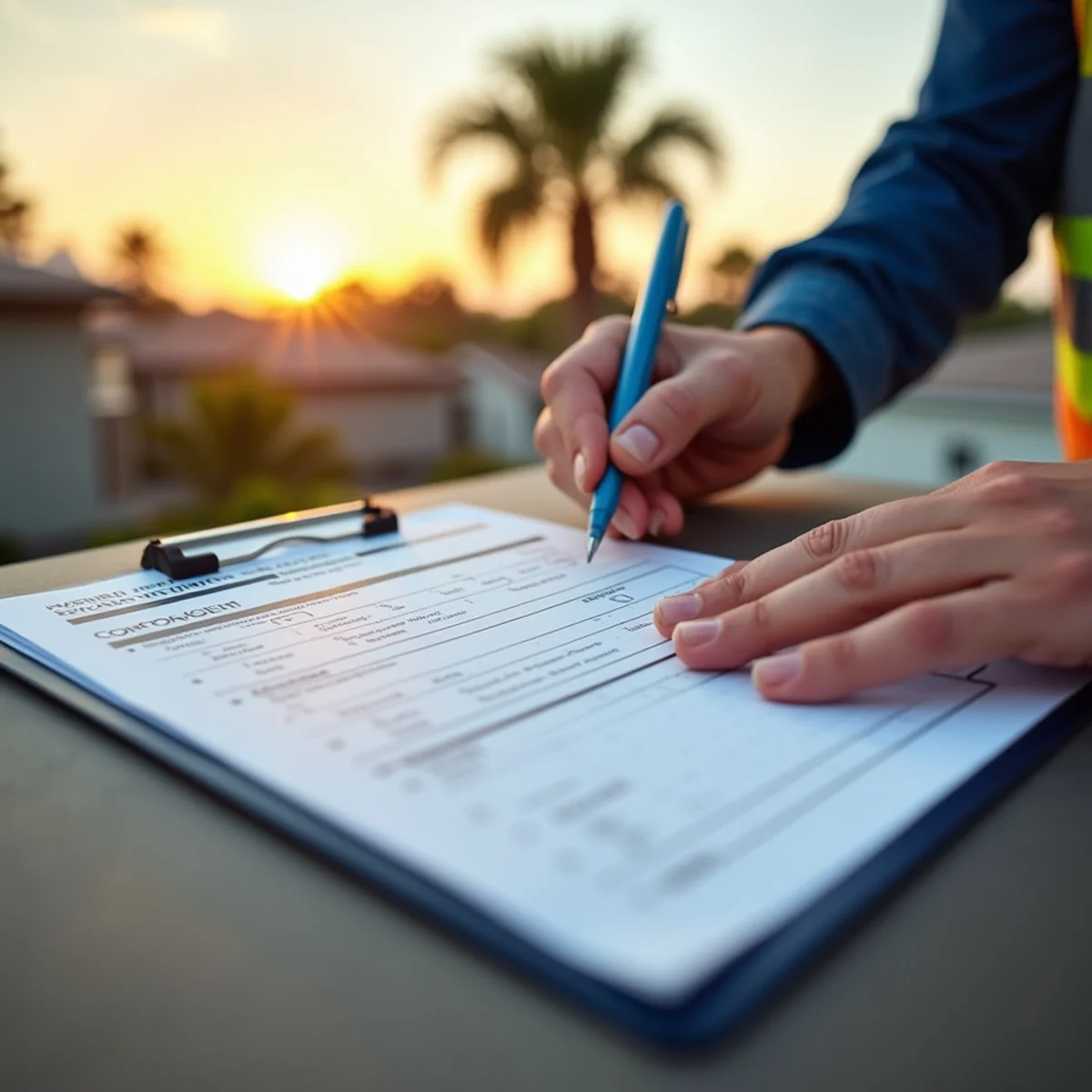
The Florida residential property insurance marketplace has become extremely selective. Insurance carriers actively scrutinize roof materials and age during annual renewal audits.
Bypassing Florida Statute s. 627.7011 15-Year Dropped Policy Risks
Under Florida's 15-year roof rule (F.S. s. 627.7011), insurers routinely flag asphalt roofs for non-renewal once they pass year 15 unless a roofer certifies 5 years of remaining life. With a metal roof, carriers establish underwriting thresholds at 25 to 35+ years, shielding homeowners from arbitrary cancellation threats.
Maximum Windstorm Discounts on Form OIR-B1-1802
A new metal roof installed over re-nailed 8d decking with high-temperature self-adhering secondary water barrier secures maximum credits across Section 1 (Roof Covering) and Section 3 (Secondary Water Resistance) of Florida's uniform wind mitigation inspection form, generating the highest legal insurance premium discounts.
5. Coastal Corrosion: 26-Gauge Galvalume vs. Marine-Grade Aluminum
Geographic location within Brevard County dictates the exact metal alloy specification required to prevent premature corrosion.
The 3,000-Foot Ocean Salt-Spray Threshold (A1A vs. Inland Palm Bay)
For inland homes in Palm Bay, West Melbourne, and mainland Melbourne situated more than 3,000 feet from open ocean waters, 26-gauge Galvalume steel (a zinc-aluminum alloy coating) offers outstanding longevity and structural strength.
Why Barrier Island Homes Require 0.032 Aluminum Over Galvalume
For properties on the barrier island in Satellite Beach, Indialantic, and Melbourne Beach, continuous airborne ocean chlorides attack the cut raw edges of steel panels. In these high-salt environments, building codes and manufacturer warranties mandate 0.032 or 0.040 marine-grade aluminum paired with 316 stainless steel fasteners to guarantee 100% rust-proof performance.
6. Summary Comparison Matrix: Metal vs. Shingle Side-by-Side Guide
Review this objective side-by-side guide to match your budget and long-term homeownership strategy:
When Architectural Shingles Make Financial Sense
• You need an immediate, high-quality roof replacement with minimal upfront cash outlay. • You plan to relocate or sell the property within the next 5 to 7 years. • Your HOA maintains restrictive architectural covenants that prohibit metal roofing. • Your current roof trusses were not engineered for complex metal custom flashing terminations.
When Standing Seam Metal Is the Clear Winner
• You plan to remain in your Florida home for 10 or more years ('forever home'). • You demand maximum Category 5 (160+ mph) hurricane wind protection. • You want to slash annual FPL air conditioning bills by 15% to 25%. • You want permanent immunity from insurance non-renewal drop notices at year 15.
Related Services & Local Areas Mentioned
Have Questions About Your Palm Bay Roof?
Connect with an experienced Florida roofing specialist. Call (773) 207-0769 for 24/7 live dispatch.
Frequently Asked Questions on This Topic
Clear technical answers based on Florida Building Code and Brevard County field data.
Many modern HOA communities (including areas of Bayside Lakes) have amended their covenants to allow architectural standing seam metal in neutral tones like bronze, slate gray, and matte black. Always submit plans to your ARC first.
Not Urgent? Send a Request
Fill out this form for scheduled re-roofing estimates, non-active maintenance checks, or insurance consultations.